
Thalassemia Treatment & Blood Care
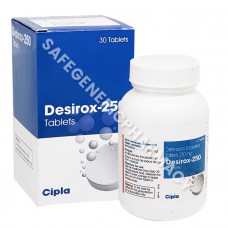
Desirox 250mg Tablet (Deferasirox)
Packaging : 30 tablets in 1 bottle
Manufactured By : Cipla Limited
Our Best Price : $1.24 /Piece
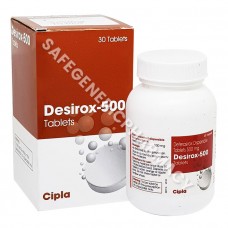
Desirox 500mg Tablet (Deferasirox)
Packaging : 30 tablets in 1 bottle
Manufactured By : Cipla Limited
Our Best Price : $2.29 /Piece
Description
Buy Thalassemia Medicines Online for Hemoglobin Disorder Management
Thalassemia is a genetic blood disorder that affects the body’s ability to produce normal hemoglobin, the protein in red blood cells responsible for carrying oxygen. As a result, individuals with thalassemia often experience anemia and reduced oxygen supply to tissues.
The condition is inherited from parents and can range from mild to severe depending on the type and number of affected genes.
Thalassemia is caused by mutations in the genes that control hemoglobin production. It is inherited in an autosomal recessive pattern, meaning a child must receive the faulty gene from both parents to develop the disease.
If only one gene is affected, the individual may be a carrier (thalassemia trait) and may not show symptoms but can pass the gene to their children.
The two main types of thalassemia are alpha thalassemia and beta thalassemia. Each type can vary in severity from mild (trait or minor) to severe (major).
Severe forms, such as beta thalassemia major, require regular medical treatment, while mild forms may cause little or no symptoms.
Symptoms may include fatigue, weakness, pale or yellowish skin, shortness of breath, slow growth, and bone deformities in severe cases.
Children with severe thalassemia may develop symptoms early in life, while mild cases may go unnoticed for years.
Treatment depends on the severity of the condition. Mild cases may not require treatment, while moderate to severe cases may need regular blood transfusions and medical care.
Advanced treatments such as bone marrow or stem cell transplantation may be considered in certain cases.
Medicines may include iron chelation therapy to remove excess iron from the body due to frequent blood transfusions. Folic acid supplements are also commonly used to support red blood cell production.
Other medications may be prescribed depending on the patient’s condition and treatment plan.
Proper treatment helps manage anemia, improve oxygen delivery, and reduce complications associated with thalassemia. It also supports growth and development in children.
With consistent care, individuals with thalassemia can lead longer and healthier lives.
Treatments such as blood transfusions and medications may cause side effects, including iron overload, allergic reactions, or digestive issues.
Regular monitoring and medical supervision are important to manage these effects effectively.
A balanced diet, regular medical check-ups, and adherence to treatment plans are essential for managing thalassemia. Avoiding iron-rich foods may be advised in some cases.
Preventing infections and maintaining overall health are also important for improving quality of life.
We provide a wide range of medicines for managing thalassemia, ensuring quality and reliability. Our platform offers genuine products with safe packaging and dependable delivery.
With competitive pricing and dedicated customer support, we aim to make essential treatments accessible and convenient for all customers.