
Basal Cell Cancer Treatment & Skin Care
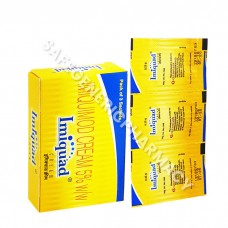
Imiquad Sachet (Imiquimod)
Packaging : 0.25 gm in 1 sachet
Manufactured By : Glenmark P ...
Our Best Price : $3.06 /Piece
Description
Buy Skin Cancer Treatment Medicines Online for Basal Cell Carcinoma Care
Basal Cell Cancer, also known as Basal Cell Carcinoma (BCC), is the most common type of skin cancer. It begins in the basal cells, which are located in the lower part of the outer layer of the skin. Basal Cell Cancer usually develops on areas of the body that are frequently exposed to sunlight, such as the face, ears, neck, scalp, shoulders, and arms.
This type of cancer usually grows slowly and rarely spreads to other parts of the body. However, if it is left untreated, it can continue to grow and may damage nearby skin, tissue, and bones. Early diagnosis and proper treatment are important to prevent complications.
The main cause of Basal Cell Cancer is long-term exposure to ultraviolet (UV) radiation from sunlight or tanning beds. UV radiation damages the DNA in skin cells, which can lead to abnormal cell growth and the development of cancer.
Other risk factors may include fair skin, light-colored eyes, older age, frequent sunburns, family history of skin cancer, weakened immune system, exposure to radiation, and certain genetic conditions. People who spend a lot of time outdoors may have a higher risk of developing Basal Cell Cancer.
Basal Cell Cancer often appears as an unusual skin growth or sore that does not heal. Symptoms may vary from person to person, but common signs include a shiny or pearly bump, a flat flesh-colored patch, a pink growth, a sore that bleeds or crusts, or a scar-like area on the skin.
These skin changes may slowly increase in size over time. Because Basal Cell Cancer can look similar to harmless skin conditions, it is important to see a doctor if any new or changing skin lesion appears.
Basal Cell Cancer is usually diagnosed through a skin examination and a biopsy. During a biopsy, the doctor removes a small sample of the suspicious skin tissue and sends it to a laboratory for testing.
The biopsy helps confirm whether the growth is cancerous and determines the type of skin cancer. In some cases, additional tests may be needed if the cancer is large or has spread to nearby tissue.
Treatment for Basal Cell Cancer depends on the size, location, and severity of the tumor. In many cases, surgery is the most effective treatment. Common treatment methods include surgical removal, Mohs surgery, cryotherapy, curettage and electrodessication, radiation therapy, and topical medicines.
For advanced or difficult-to-treat cases, doctors may prescribe targeted therapy medicines or oral Anti Cancer drugs. Early treatment usually gives the best results and lowers the chance of the cancer returning.
Some patients with advanced or recurrent Basal Cell Cancer may need medicine-based treatment. Commonly used medicines may include targeted therapy drugs such as vismodegib and sonidegib, which help block the growth signals that cancer cells need to survive.
Topical medicines such as imiquimod cream or fluorouracil cream may sometimes be used for certain superficial forms of Basal Cell Cancer. The exact medicine depends on the patient’s condition and the doctor’s recommendation.
Although Basal Cell Cancer cannot always be completely prevented, the risk can be reduced by protecting the skin from UV exposure. Wearing sunscreen, protective clothing, hats, and sunglasses can help protect the skin when spending time outdoors.
It is also important to avoid tanning beds and reduce direct sun exposure during the strongest hours of the day. Regular skin checks and early medical attention for suspicious skin changes can help detect cancer at an early stage.
The side effects of Basal Cell Cancer treatment depend on the type of treatment used. Surgery may cause pain, swelling, scarring, or infection at the treatment site. Radiation therapy may lead to redness, irritation, or skin sensitivity.
Targeted therapy medicines may cause side effects such as muscle pain, hair loss, taste changes, nausea, tiredness, or weight loss. Patients should discuss possible side effects with their doctor before starting treatment.
You should see a doctor if you notice a new skin growth, a sore that does not heal, a bump that bleeds, or any unusual change in your skin. Early medical evaluation is important because Basal Cell Cancer is easier to treat when found early.
People with a history of skin cancer or frequent sun exposure should have regular skin examinations and speak with a doctor if they notice any suspicious changes.
Medicines used for Basal Cell Cancer should only be purchased from a trusted and reliable pharmacy. Patients should always use medicines prescribed by their doctor and follow the recommended dosage carefully.
Before ordering online, check the medicine name, strength, manufacturer details, and storage instructions. Buying from a genuine pharmacy helps ensure the medicine is safe, effective, and authentic.