
Hyperphosphatemia Treatment & Phosphate Control
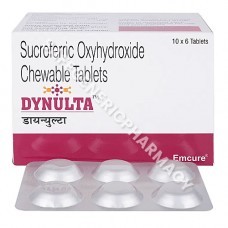
Dynulta 2500mg Tablet (Sucroferric oxyhydroxide)
Packaging : 6 tablets in 1 strip
Manufactured By : Emcure Pha ...
Our Best Price : $1.32 /Piece
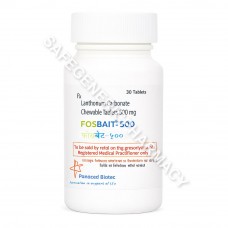
Fosbait Tablet (Lanthanum Carbonate)
Packaging : 30 tablets in 1 strip
Manufactured By : Panacea Bi ...
Our Best Price : $1.60 /Piece
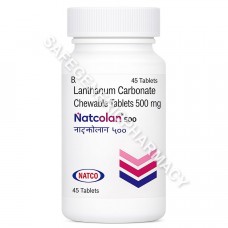
Natcolan 500mg Tablet (Lanthanum Carbonate)
Packaging : 45 tablets in 1 bottle
Manufactured By : Natco Phar ...
Our Best Price : $0.69 /Piece
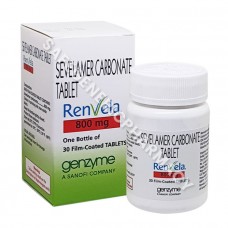
Renvela 800 Tablet (Sevelamer)
Packaging : 30 tablets in 1 bottle
Manufactured By : Sanofi Ind ...
Our Best Price : $1.41 /Piece
Description
Buy Phosphate Binder Medicines Online for High Phosphate Levels
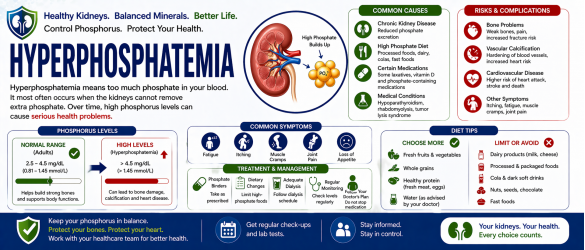
Hyperphosphatemia is a condition in which there are abnormally high levels of phosphate in the blood. Phosphate is a mineral that plays an important role in bone health, energy production, and cell function.
This condition is most commonly seen in individuals with chronic kidney disease, where the kidneys are unable to properly remove excess phosphate from the body.
The most common cause of hyperphosphatemia is reduced kidney function, which prevents the body from eliminating excess phosphate. Other causes may include excessive dietary intake of phosphate, certain medications, hormonal imbalances, or cell breakdown in severe illness.
Conditions such as kidney failure, hypoparathyroidism, and untreated metabolic disorders may also contribute to elevated phosphate levels.
Hyperphosphatemia often does not cause noticeable symptoms in its early stages. However, as phosphate levels rise, symptoms may include itching, joint pain, muscle cramps, and fatigue.
In severe cases, high phosphate levels can lead to calcium imbalance, bone weakness, and calcification of soft tissues, which may affect the heart and blood vessels.
Treatment focuses on reducing phosphate levels in the blood and managing the underlying cause. This may include dietary changes, medications, and in some cases, dialysis for patients with advanced kidney disease.
Early management helps prevent complications and maintain overall mineral balance in the body.
Medicines known as phosphate binders are commonly used to treat hyperphosphatemia. These medicines bind to phosphate in the digestive tract and prevent its absorption into the bloodstream.
Other supportive treatments may include vitamin D supplements or medications to manage calcium and parathyroid hormone levels. Treatment should be guided by a healthcare provider.
Proper treatment helps maintain balanced phosphate levels, protect bone health, and reduce the risk of complications such as cardiovascular problems and tissue calcification.
Managing phosphate levels also improves overall health and quality of life, especially in patients with kidney disease.
Phosphate binders and other medications may cause side effects such as constipation, nausea, stomach discomfort, or changes in calcium levels.
Regular monitoring is important to ensure safe treatment and avoid imbalances in minerals.
Managing diet is an important part of controlling hyperphosphatemia. Patients are often advised to limit foods high in phosphate such as dairy products, processed foods, and certain meats.
Following a balanced diet, staying hydrated, and adhering to medical advice can help maintain proper phosphate levels.
Regular blood tests are necessary to monitor phosphate, calcium, and kidney function levels. These tests help doctors adjust treatment and ensure safe management of the condition.
Patients with chronic kidney disease should follow their treatment plan closely and attend regular check-ups.
We provide a wide range of medicines for managing hyperphosphatemia, ensuring quality and reliability. Our platform offers genuine products with safe packaging and dependable delivery.
With competitive pricing and dedicated customer support, we aim to make essential treatments accessible and convenient for all customers.