
Low Platelet Count (Thrombocytopenia) Treatment
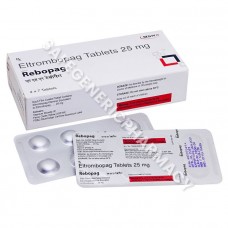
Rebopag 25mg Tablet (Eltrombopag)
Packaging : 7 tablets in 1 strip
Manufactured By : MSN Labora ...
Our Best Price : $7.14 /Piece
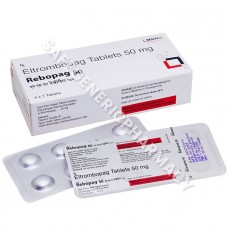
Rebopag 50mg Tablet (Eltrombopag)
Packaging : 7 tablets in 1 strip
Manufactured By : MSN Labora ...
Our Best Price : $8.93 /Piece
Description
Buy Platelet Boosting Medicines Online for Thrombocytopenia Care
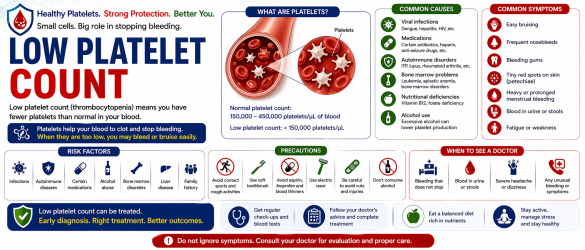
Low platelet count, also known as thrombocytopenia, is a condition in which the number of platelets in the blood is lower than normal. Platelets are essential for blood clotting and help stop bleeding.
When platelet levels are low, the body may have difficulty forming clots, increasing the risk of bleeding and bruising.
Low platelet count can be caused by decreased production of platelets in the bone marrow, increased destruction of platelets, or trapping of platelets in the spleen.
Common causes include viral infections, certain medications, autoimmune disorders, chemotherapy, bone marrow disorders, nutritional deficiencies, and chronic diseases.
Symptoms may include easy bruising, prolonged bleeding from cuts, frequent nosebleeds, bleeding gums, and red or purple spots on the skin (petechiae).
In severe cases, individuals may experience internal bleeding, blood in urine or stool, or excessive bleeding during injuries.
Treatment depends on the underlying cause and severity of the condition. Mild cases may not require treatment, while more severe cases may need medications, platelet transfusions, or treatment of the underlying disease.
Early diagnosis and proper management help reduce the risk of complications.
Medicines may include corticosteroids, immunosuppressants, thrombopoietin receptor agonists, and other treatments depending on the cause.
These medicines help increase platelet production or reduce destruction of platelets and should be taken under medical supervision.
Proper treatment helps restore platelet levels, reduce bleeding risk, and improve overall health. It also helps manage underlying conditions that may be causing the problem.
With appropriate care, many individuals can maintain normal platelet levels and prevent complications.
Some treatments may cause side effects such as weight gain, increased infection risk, stomach issues, or changes in blood pressure.
Patients should consult their doctor if they experience any unusual symptoms during treatment.
A healthy diet rich in vitamins and minerals, especially vitamin B12, folate, and iron, can support blood health. Avoid alcohol and activities that increase the risk of injury.
Staying hydrated, managing stress, and following medical advice can help improve platelet levels.
Seek immediate medical attention if you experience severe bleeding, blood in urine or stool, persistent headaches, or signs of internal bleeding.
Regular check-ups and blood tests are important for monitoring platelet levels and ensuring proper treatment.
We provide a wide range of medicines for managing low platelet count, ensuring quality and reliability. Our platform offers genuine products with safe packaging and dependable delivery.
With competitive pricing and dedicated customer support, we aim to make essential treatments accessible and convenient for all customers.