
Paralytic Ileus Treatment & Intestinal Motility Care
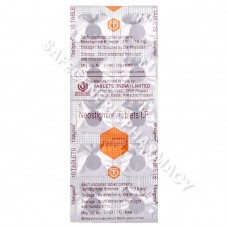
Tilstigmin 15mg Tablet (Neostigmine Bromide)
Packaging : 10 tablets in 1 strip
Manufactured By : Tablet (In ...
Our Best Price : $0.38 /Piece
Description
Buy Paralytic Ileus Medicines Online for Bowel Movement Support
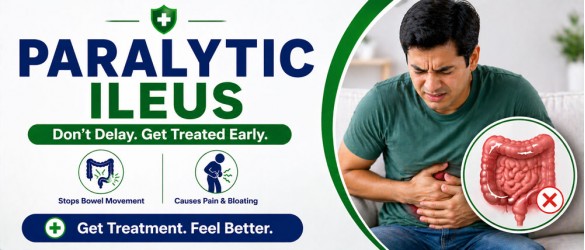
Paralytic ileus is a condition in which the normal movement of the intestines (peristalsis) slows down or stops completely, leading to a blockage of food and waste without a physical obstruction.
This condition can cause significant discomfort and may require medical attention for proper management.
Paralytic ileus can be caused by abdominal surgery, infections, inflammation, electrolyte imbalances, or certain medications such as opioids.
Other causes include trauma, severe illness, or neurological disorders affecting intestinal movement.
Symptoms include abdominal bloating, pain, constipation, inability to pass gas, nausea, and vomiting.
Severe cases may lead to dehydration and electrolyte imbalances.
Diagnosis is based on medical history, physical examination, and imaging tests such as X-rays or CT scans to assess intestinal activity.
Laboratory tests may also be used to check for infections or electrolyte imbalances.
Treatment focuses on addressing the underlying cause, restoring intestinal movement, and relieving symptoms.
It may include fasting, intravenous fluids, electrolyte correction, and medications to stimulate bowel activity.
Medicines may include prokinetic agents to stimulate intestinal movement, pain relievers, and medications to correct electrolyte imbalances.
These treatments help restore normal bowel function and relieve symptoms.
Proper treatment helps restore bowel function, relieve discomfort, and prevent complications such as bowel perforation or infection.
It also supports faster recovery and overall digestive health.
Some medications may cause side effects such as abdominal discomfort, diarrhea, or dizziness.
Patients should follow medical advice and report any unusual symptoms during treatment.
Early mobilization after surgery, proper hydration, and avoiding unnecessary use of certain medications can help reduce the risk of paralytic ileus.
Regular medical follow-up is important for individuals at higher risk.
We provide a wide range of medicines for managing paralytic ileus, ensuring quality and reliable treatment options.
With genuine products, competitive pricing, and dependable delivery, we make healthcare simple and accessible for our customers.