
Intestinal Ulcers Treatment & Digestive Care
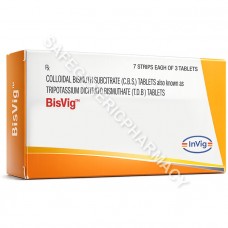
Bisvig 120mg Tablet (Collodial Bismuth Subcitrate)
Packaging : 8 tablets in 1 strip
Manufactured By : Invig Heal ...
Our Best Price : $0.69 /Piece
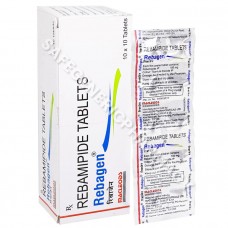
Rebagen 100mg Tablet (Rebamipide)
Packaging : 15 tablets in strip
Manufactured By : Macleods P ...
Our Best Price : $0.49 /Piece
Description
Buy Intestinal Ulcer Medicines Online for Pain Relief & Healing
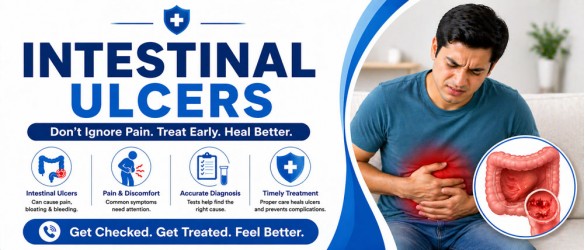
Intestinal ulcers are open sores that develop on the inner lining of the intestines, most commonly in the small intestine or colon. They are often associated with inflammation and can cause significant discomfort.
These ulcers may be part of underlying conditions such as inflammatory bowel disease (IBD) or infections.
Intestinal ulcers can be caused by infections, autoimmune conditions, long-term use of certain medications (such as NSAIDs), or chronic inflammation.
Conditions like Crohn’s disease and ulcerative colitis are common contributors.
Symptoms may include abdominal pain, diarrhea, blood in stool, weight loss, fatigue, and reduced appetite.
In severe cases, ulcers may lead to complications such as bleeding or intestinal perforation.
Diagnosis involves medical history, physical examination, blood tests, stool tests, and imaging or endoscopic procedures such as colonoscopy.
Accurate diagnosis helps determine the cause and severity of the ulcers.
Treatment focuses on reducing inflammation, healing the ulcers, and managing underlying conditions. This may include medications, dietary changes, and lifestyle adjustments.
In severe cases, surgical intervention may be required.
Medicines may include anti-inflammatory drugs, antibiotics, immunosuppressants, and medications to reduce acid or protect the intestinal lining.
These treatments help promote healing and prevent further damage.
Proper treatment helps heal ulcers, relieve symptoms, and prevent complications such as bleeding or infection.
It also improves digestion and overall quality of life.
Some medications may cause side effects such as nausea, diarrhea, or increased risk of infections.
Regular monitoring and consultation with a healthcare provider are important during treatment.
Follow a balanced diet, avoid spicy and irritating foods, and manage stress to reduce symptoms.
Staying hydrated and following medical advice can help maintain digestive health.
We provide a wide range of medicines for intestinal ulcers, ensuring quality and effective treatment.
With genuine products, competitive pricing, and reliable delivery, we make digestive healthcare accessible and convenient for our customers.