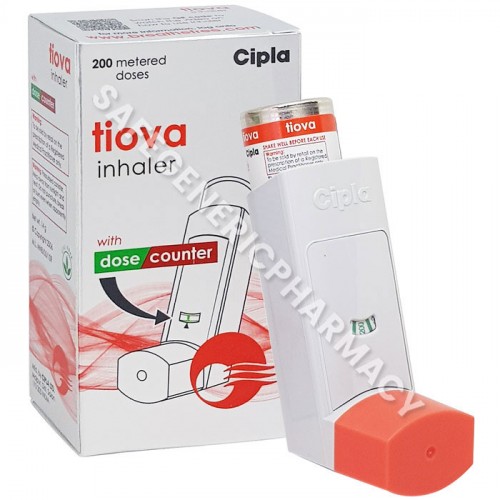
Tiova Inhaler (Tiotropium Bromide)
Medicine OverView
This medicine contains Tiotropium Bromide, an anticholinergic bronchodilator used for long-term treatment of chronic obstructive pulmonary disease (COPD) and, in current Indian drug references, also for asthma. It helps keep the airways open, making breathing easier and helping reduce symptoms such as chest tightness, wheezing, coughing, and shortness of breath. :contentReference[oaicite:0]{index=0}
This medicine is commonly prescribed for:
It is a maintenance medicine and should not be used for sudden breathing attacks or emergency relief. :contentReference[oaicite:1]{index=1}
This medicine works by relaxing the muscles in the airways and widening the breathing passages. This makes it easier for air to move in and out of the lungs and helps improve daily breathing control. :contentReference[oaicite:2]{index=2}
Current medicine references specifically note that it is inhaled, should be used daily at the same time, and is not for immediate relief of sudden symptoms. :contentReference[oaicite:3]{index=3}
Common Strength:
Tiova Inhaler is currently listed as Tiotropium 9 mcg and sold as a 200-metered-dose inhaler. :contentReference[oaicite:4]{index=4}
Usual Dose:
The exact dose depends on your doctor’s advice and the condition being treated. Use only the number of inhalations prescribed.
Missed Dose:
If you miss a dose, take it as soon as you remember. If it is nearly time for the next dose, skip the missed dose and continue your regular schedule. Do not take extra doses to make up for the missed one.
Overdose:
Using too much may increase side effects such as dry mouth, fast heartbeat, blurred vision, or difficulty passing urine. Seek medical advice if overdose is suspected.
Common / Minor Side Effects:
Serious / Major Side Effects:
Some adverse effects here are typical anticholinergic effects inferred from Tiotropium’s drug class and commonly reported inhaled use; individual experience can vary. :contentReference[oaicite:5]{index=5}
The caution about daily maintenance use and avoiding it for sudden breathing problems is directly supported by current product references; the urinary and eye precautions reflect well-known anticholinergic safety considerations for tiotropium. :contentReference[oaicite:6]{index=6}
Currently visible same-salt inhaler alternatives include:
Total clearly identified currently listed alternatives: 2
Availability can change by pharmacy and region. Any substitute should be matched for the same salt, strength, and inhaler type before switching. :contentReference[oaicite:7]{index=7}
1. What is this medicine used for?
This medicine is used for long-term treatment of COPD and may also be used in asthma when prescribed by a doctor. :contentReference[oaicite:8]{index=8}
2. Can this medicine relieve sudden breathlessness?
No. This medicine does not work as a rescue inhaler for sudden breathing attacks. :contentReference[oaicite:9]{index=9}
3. How does this medicine work?
It relaxes airway muscles and widens the airways, which helps make breathing easier. :contentReference[oaicite:10]{index=10}
4. Should this medicine be used every day?
Yes. It is generally used regularly at the same time each day for maintenance benefit. :contentReference[oaicite:11]{index=11}
5. Can I switch to another tiotropium inhaler brand?
Yes, but only after confirming the same strength and correct inhaler type with your doctor or pharmacist. :contentReference[oaicite:12]{index=12}
What do you think about this product?