
Fungal Nail Infection Treatment (Onychomycosis)

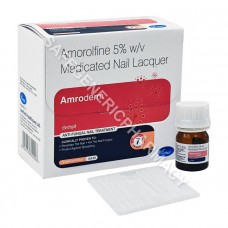
Amroderm Nail Lacquer (Amorolfine)
Packaging : 2.5 ml in 1 bottle
Manufactured By : Leeford Ph ...
Our Best Price : $9.00 /Piece
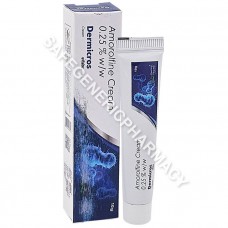
Dermicros Cream (Amorolfine)
Packaging : 10 gm in 1 tube
Manufactured By : Healing Ph ...
Our Best Price : $5.67 /Piece
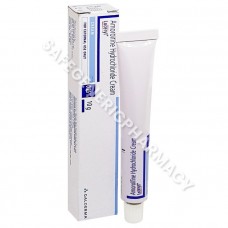
Loceryl Cream (Amorolfine)
Packaging : 10 gm in 1 tube
Manufactured By : Galderma I ...
Our Best Price : $9.79 /Piece
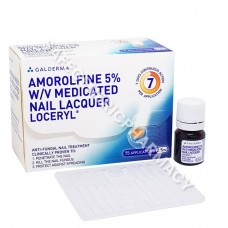
Loceryl Nail Lacquer (Amorolfine)
Packaging : 2.5 ml in 1 bottle
Manufactured By : Galderma I ...
Our Best Price : $18.67 /Piece
Description
Buy Nail Fungus Treatment Medicines Online for Healthy Nails
Fungal Nail Infections, also known as onychomycosis, are infections that affect the fingernails or toenails caused by fungi. These infections usually begin as a small discoloration on the nail and can gradually spread deeper into the nail structure.
Over time, the affected nail may become thickened, brittle, discolored, or distorted. Fungal nail infections are common, especially in toenails, and may require proper treatment to prevent worsening.
Fungal nail infections are caused by different types of fungi such as dermatophytes, yeasts, and molds. These organisms thrive in warm, moist environments like sweaty shoes, public showers, and swimming pools.
Risk factors include poor foot hygiene, wearing tight or non-breathable footwear, nail injuries, diabetes, weakened immune system, and prolonged exposure to moisture.
Common symptoms include nail discoloration (yellow, white, or brown), thickened nails, brittle or crumbly edges, distorted nail shape, and a foul odor in some cases.
In advanced stages, the nail may separate from the nail bed, causing discomfort or pain. Early detection can help in effective treatment and prevent further damage.
Treatment for fungal nail infections depends on the severity of the condition. Mild infections may be treated with topical antifungal solutions, creams, or nail lacquers applied directly to the affected area.
For more severe or persistent infections, doctors may prescribe oral antifungal medicines. In some cases, medical procedures such as nail removal or laser therapy may be considered.
Common medicines include topical antifungal nail solutions and oral antifungal tablets. Topical treatments are usually used for early-stage infections, while oral medicines are more effective for deeper or widespread infections.
The choice of medicine depends on the type of fungus and the extent of the infection. Treatment may take several weeks or months to fully clear the infection.
Proper treatment helps eliminate the infection, restore normal nail appearance, and prevent the spread of fungus to other nails or individuals.
Early treatment also reduces discomfort and prevents complications such as nail damage or secondary infections.
Topical treatments may cause mild irritation or redness around the nail. Oral antifungal medicines may cause side effects such as nausea, headache, or stomach discomfort.
In some cases, oral medicines may affect liver function, so medical supervision and periodic monitoring may be required during treatment.
Before starting treatment, patients should inform their doctor about any medical conditions, current medications, or allergies. This helps ensure safe and effective treatment.
It is important to follow the prescribed treatment duration, even if the nail appears improved, to prevent recurrence of the infection.
To prevent fungal nail infections, keep nails clean and dry, trim them regularly, and avoid sharing nail tools. Wear breathable footwear and change socks regularly to reduce moisture buildup.
Avoid walking barefoot in public areas such as pools and locker rooms. Good hygiene practices can significantly reduce the risk of infection.
We provide a wide range of antifungal treatments designed to effectively manage fungal nail infections. Our platform ensures access to genuine medicines with safe packaging and reliable delivery.
With competitive pricing and dedicated customer support, we aim to make treatment convenient and accessible for everyone.